Hydrophobic Silicon Wafers for Research and Production
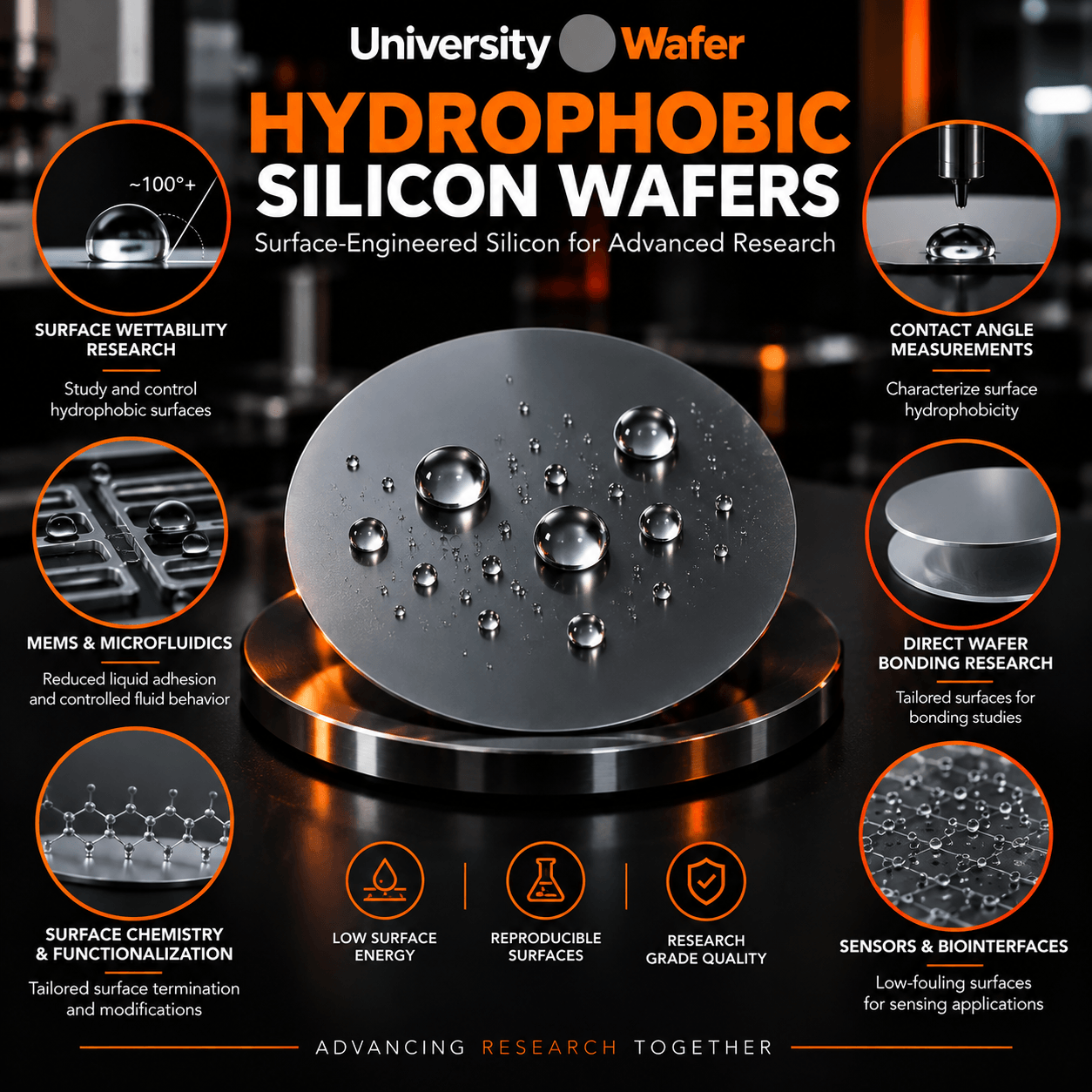
Hydrophobic silicon wafers and Teflon (PTFE) coated silicon wafers are widely used in microfluidics, PDMS molding, spin coating, surface engineering, droplet analysis, and semiconductor research. The low surface energy of hydrophobic coatings helps reduce liquid adhesion while improving release characteristics for molded structures and deposited materials.
A Process Development Engineer requested the following specification:
We require 6-inch Teflon coated silicon wafers with a notch, single-side polished surface, and standard wafer thickness. Dopant type and resistivity are not critical. Please provide pricing for both single-wafer and six-wafer quantities.
Requested Specifications:
- 6-inch (150mm) silicon wafers
- Teflon (PTFE) coating on the polished side
- Single-side polished (SSP)
- Standard thickness: 625–650µm
- Preferred notch orientation
- Quantity: 1 wafer and 6 wafers
Reference #275056 for specifications and pricing.
UniversityWafer supplies hydrophobic silicon wafers in both small and production quantities. PTFE-coated silicon substrates are available on a variety of wafer diameters and can be customized to meet specific surface, thickness, orientation, and coating requirements.
Researchers frequently use Teflon-coated silicon wafers for:
- PDMS microstructure fabrication
- Soft lithography processes
- Microfluidic device development
- Spin coating applications
- Surface wettability studies
- High contact angle testing
- Droplet behavior experiments
- BioMEMS and lab-on-chip devices
One advantage of PTFE-coated silicon is its non-stick surface. Similar to the coating used on laboratory and industrial release surfaces, the hydrophobic layer helps minimize adhesion between the wafer and fabricated structures, making removal of PDMS and polymer-based microstructures significantly easier.
Hydrophobic silicon wafers are also valuable in applications where liquid repellency, chemical resistance, and reduced surface contamination are important. These characteristics make them useful for advanced materials science, biomedical engineering, semiconductor processing, and fluid dynamics research.
Get Your Teflon Coated Silicon Wafer Quote FAST! Or, Buy Online and Start Researching Today!
Hydrophobic Silicon Wafers Repelling Liquid
Hydrophobic wafer surfaces are engineered to increase water contact angle and reduce liquid spreading across the substrate. This behavior is especially important in microfluidics, wettability studies, and applications involving controlled fluid transport. PTFE-coated silicon wafers provide an excellent combination of silicon's dimensional stability and Teflon's liquid-repellent properties.
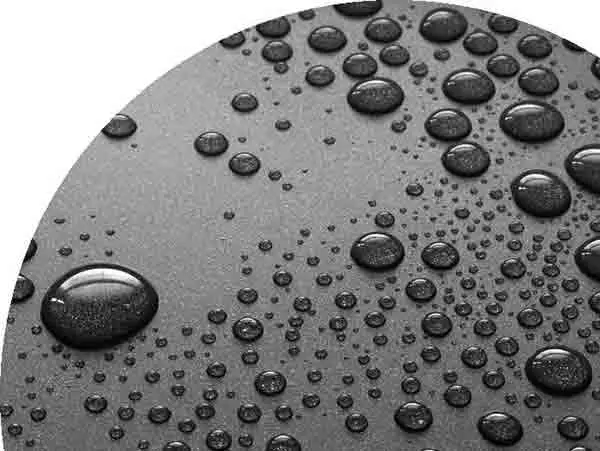
Hydrophobic Teflon Coated Silicon Wafers for Research and Production
Hydrophobic silicon wafers and Teflon (PTFE) coated silicon wafers are widely used in microfluidics, PDMS molding, spin coating, surface wettability studies, droplet analysis, and advanced semiconductor research. The hydrophobic surface helps reduce liquid adhesion, improve release characteristics, and increase water contact angles compared to untreated silicon substrates.
A PhD researcher requested the following specification:
“We are looking for polished hydrophobic PTFE coated silicon wafers, preferably 6-inch diameter, with a mirror-finish surface and sufficient thermal stability for operation up to approximately 150°C. Please provide pricing for both single-wafer and multi-wafer quantities.”
Researchers often select PTFE-coated silicon wafers because they combine the flatness and dimensional stability of silicon with the low surface energy and chemical resistance of Teflon. These substrates are frequently used for sample preparation, liquid handling experiments, anti-stick applications, and microfabrication processes where easy release of materials is required.
Reference #262614 for specifications and pricing.
Applications of Hydrophobic Silicon Wafers
Hydrophobic silicon wafers are utilized in a wide range of scientific and industrial applications where controlling surface wettability is important. The ability to repel water and other liquids makes these substrates valuable for both research and manufacturing environments.
- PDMS mold fabrication
- Microfluidic device development
- Spin coating processes
- Droplet dynamics research
- Surface wettability studies
- Lab-on-chip devices
- BioMEMS fabrication
- Anti-adhesion coatings research
- Semiconductor process development
- Contact angle measurement studies
Many researchers use hydrophobic wafer surfaces to improve release performance when fabricating PDMS microstructures and soft lithography molds. The reduced surface energy helps minimize sticking between the wafer and the replicated structure.
Hydrophobic Silicon Wafers with Engineered Surface Roughness
Surface roughness can significantly influence hydrophobic behavior. In some applications, researchers seek textured or unpolished silicon surfaces to increase water repellency without relying on additional chemical treatments such as silane monolayers or nanoparticle coatings.
A graduate researcher requested:
“We are interested in silicon wafers with surface roughness that naturally promotes hydrophobic behavior without external chemical modification. The goal is to achieve water repellency through surface structure alone.”
By modifying surface morphology, researchers can alter contact angle performance and create surfaces that exhibit enhanced liquid repellency. These studies are commonly performed in materials science, biomaterials, fluid dynamics, and microfluidics research.
Reference #266172 for specifications and pricing.
High Surface Contact Angle Silicon Wafers
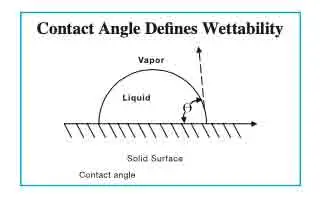
The water contact angle is one of the most common measurements used to evaluate surface wettability. A contact angle approaching or exceeding 90° is generally considered hydrophobic, while higher contact angles indicate stronger liquid-repellent behavior.
Researchers frequently request polished silicon wafers with high contact angles for applications involving droplet formation, condensation studies, self-cleaning surfaces, and fluid transport systems.
Hydrophobic silicon surfaces may gradually become more hydrophilic as native oxide layers form during storage and exposure to air. For this reason, hydrophobic wafers are often prepared shortly before use or treated to restore their water-repellent properties.
Why Researchers Choose PTFE Coated Silicon Wafers
Teflon-coated silicon wafers offer a unique combination of high wafer flatness, chemical resistance, thermal stability, and low surface energy. These properties make them ideal for PDMS molding, spin coating, microfluidics, contact angle testing, and surface engineering research.
Whether you require a single hydrophobic wafer for proof-of-concept testing or larger quantities for production-scale projects, PTFE-coated silicon substrates provide a reliable platform for advanced materials science and semiconductor applications.
Related Pages
